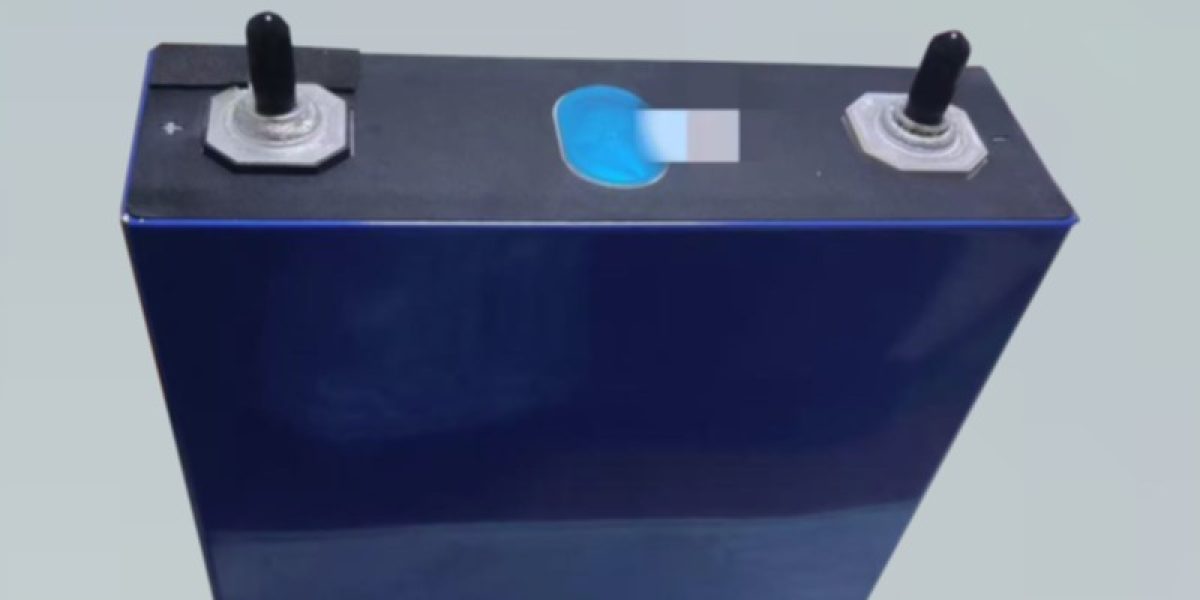
Many DIY Customers ask me : How long this battery can be used ? It will effect them to buy ornot buy it . but Actually I can’t simply to reply them, because many factors affect the actual using life of Battery .like the RATE(C),The choice F BMS , If overloading to use it . and so on .so lets introduce it as below :
first one RATE C:
1. Basic Definition
Rate (C): A unit characterizing the charging and discharging speed of a battery, primarily linked to its rated capacity. Formula as below : Charging/Discharging Current (A) = Rate (C) × Rated Battery Capacity (Ah)
About the A, Ah and Wh , pls read my previous blog as below : https://ztekbri.com/blog/elementor-1915/
Ok, lets FOR example as below :
One normal 100AH lifepo4( lFP) Battery under the different rate
1C: Current = 1×10=100A, full discharge time approximately 1 hour
0.5C: Current = 0.5×100=50A, full discharge time approximately 2 hours
2C: Current = 2×100=200A, full discharge time approximately 0.5 hours
5C: Current = 5×100=500A, belongs to high current discharge replenishment:
0.1C is often called low current/standard trickle discharge, mostly used for static charging and aging tests.
T The charging time =Capacity /Current. Based on previous example
1C: Current = 1×10=100A ,the charging time will be 100Ah/100A= 1 Hour
all of above is the basic one .
2 .The core meaning of charging rate as below
1 ) firstly It determines output power. A higher charging rate means a larger current/power output in a short time, resulting in stronger bursts of power for the device (e.g., acceleration of electric vehicles or heavy motor loads).
2) Secondly It affects charging speed. A higher charging rate means a shorter full charge time; however, high-rate fast charging can exacerbate heat generation and battery degradation, shortening battery life.
3 .Different Applications (Key to Selection)
1) Energy Storage/Backup Power: Prioritize lower rate capacity for longer lifespan and safety;
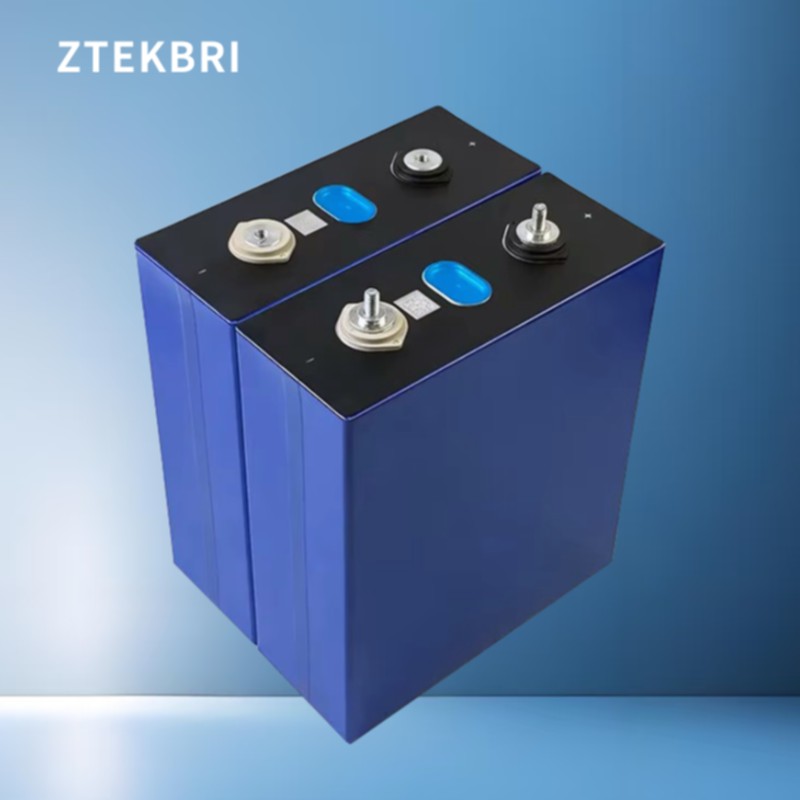
2) Power Equipment (Vehicles, Tools): Must have high rate capacity to meet high current requirements;
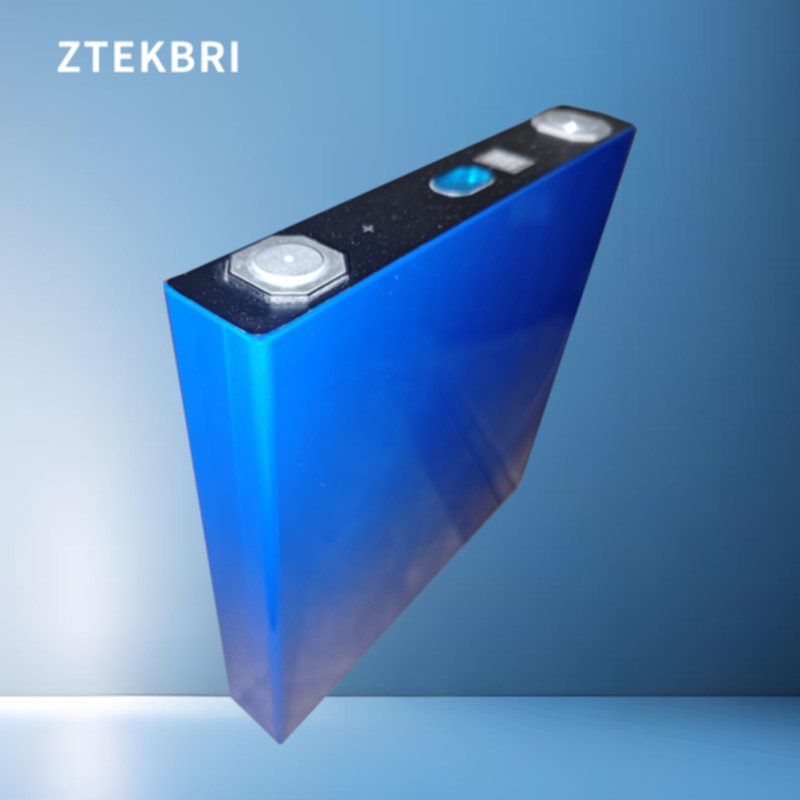
3) Ordinary Digital Devices: Standard 1C is sufficient, balancing user experience and lifespan.
Related to Safety and Lifespan: Using beyond the rated rate: Increases heat generation, bulging, gas buildup, and fire risk; significantly reduces cycle life.
Differentiating Battery Types: For the same capacity, high-rate cells have different internal tab and electrode designs, resulting in higher costs. Low-rate cells cannot be used interchangeably for power output. but we don’t discuss more this aspect this time .
3 Responses
Very good
Interesting