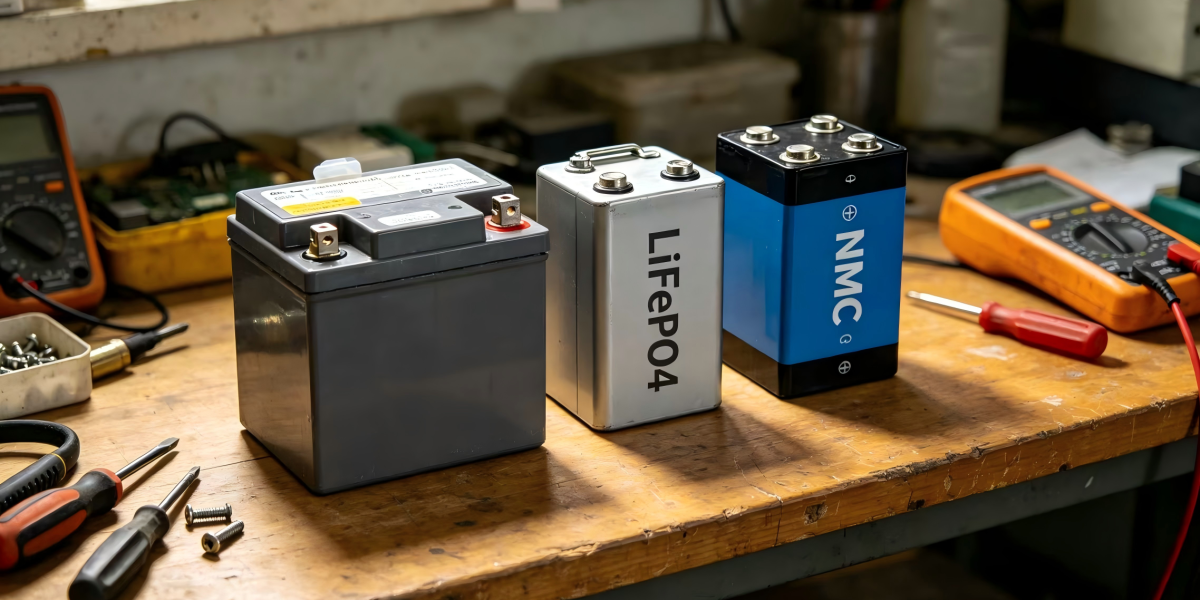
The difference between the Lifepo4 and Lead acid
1 Structure of Lifepo4 And lead acid
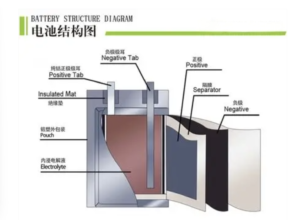
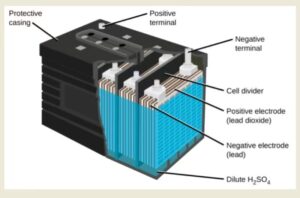
📊 Key Performance Comparison: LiFePO₄ vs. Lead-Acid
| Feature | LiFePO₄ Battery | Lead-Acid Battery |
|---|---|---|
| Energy Density | High (100-150 Wh/kg) Weighs about 1/3 of Lead-Acid for the same capacity | Low (30-50 Wh/kg) Heavy and bulky, weighs about 3x more than LiFePO₄ for the same capacity |
| Cycle Life | Long (2,000-5,000 cycles) Lifespan typically 5-8 years or more | Short (300-500 cycles) Lifespan typically 1.5-2 years |
| Charge/Discharge Performance | Excellent Supports fast charging, very stable discharge voltage | Moderate Cannot fast charge, voltage drops significantly under high-current discharge |
| Weight & Size | Light & Compact Volume is about 2/3 of an equivalent Lead-Acid battery | Heavy & Bulky Takes up more space |
| Safety | High No explosion or fire in extreme conditions | Some Risk Contains liquid sulfuric acid that can leak, causing corrosion or injury |
| Environmental Impact | Green No heavy metals (lead, mercury), no pollution in production or use | High Pollution Contains significant lead, improper recycling causes severe environmental damage |
| Memory Effect | None Can be charged anytime, no need to fully discharge before charging | Yes Chronic undercharging causes sulfation, reducing lifespan |
| Cost | Higher (approx. 3x Lead-Acid) Lower long-term cost due to long lifespan | Lower Cheap initial purchase, but frequent replacement leads to higher long-term cost |