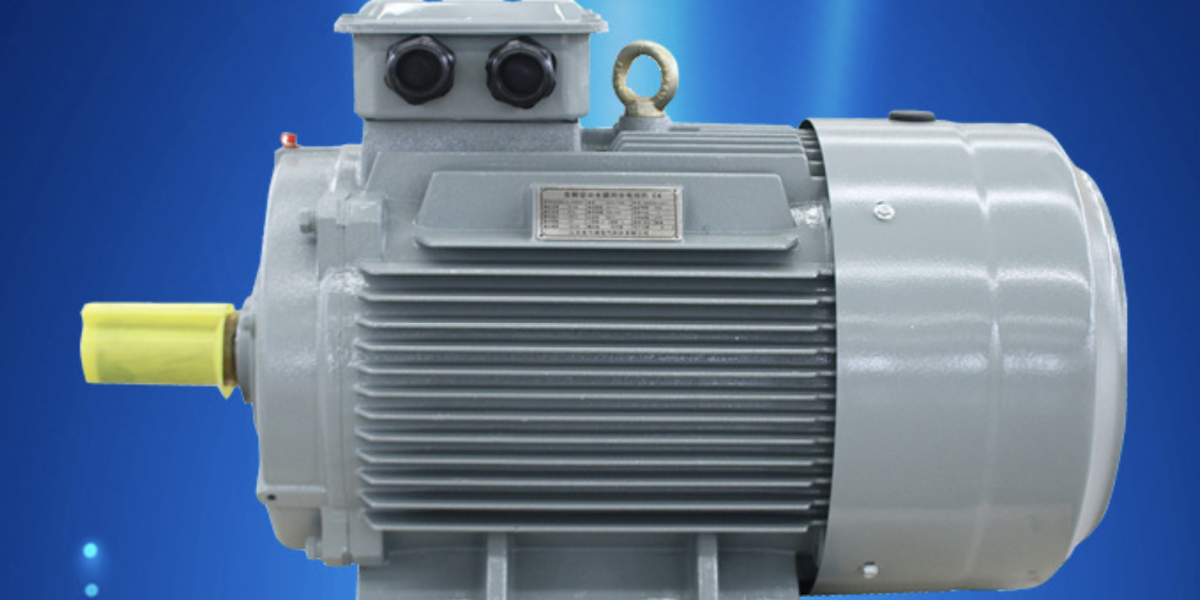
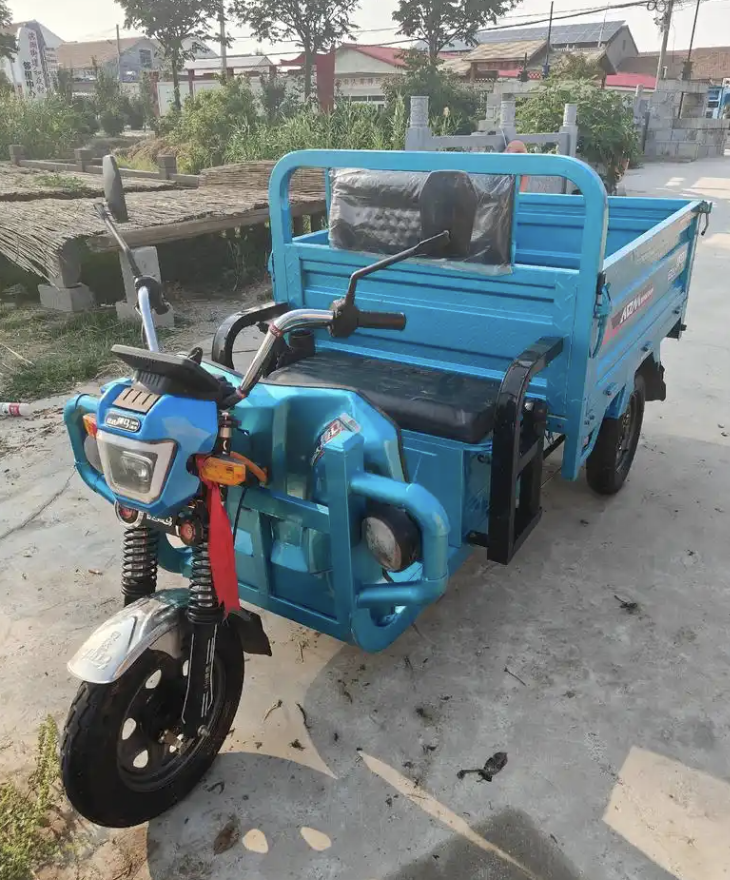
This is a real case from one of my Nigerian customer . He bought 15 pcs Electronic KEKE with acid battery . But now he he need to buy lifepo4 Battery to replace these acid batteries. therefore I checked his KEKE motor , it is just 1.5kw.Motor and 52 A controller . and IT support the 60v/72V battery but he ask me if i have 24pcs 100Ah lifepo4 Battery . he want to make the 72V 100Ah Battery .so finally i tell him 72v 100Ah lifepo4 Battery is not good choice for his keke . .As above,Ii want to share this case to all of my potential buyer for reference
Small motor + large battery: it will be have longer driving range, weak climbing ability, but it will be slow acceleration, motor prone to high temperature and overload, controller easy to burn out, wasted battery cost, and serious power mismatch of the whole vehicle.
I. Core Problems Caused by Matching a Small Motor with a Large Battery
1. firstly Severe insufficient power, weak starting and climbing performance
No matter how high the battery voltage or large the capacity is, it is the motor power that determines traction and climbing capability.
A small motor cannot bear heavy loads or climb steep slopes. It starts sluggishly and lacks power when carrying goods or going uphill.
2.Secondly Motor prone to long-term overload, overheating and coil burnout
3. Thirdly Controller prone to MOS tube breakdown and burning out
4.fourthly Maximum speed cannot be increased, resulting in wasted large battery
5. fifthly Cruising range seems longer but efficiency decreases
6. Increased overall vehicle weight, faster wear of frame and shock absorbers
II. Classic Example: 1.5kW Motor
1. firstly Wrong matching scheme (Forcibly equipping a small motor with an oversized battery)
Case: A 72V 1.5kW motor forcibly matched with a 72V 120Ah/150Ah large lithium battery
Phenomena occurred:
- It can travel a long distance on flat roads with no load, but the acceleration is extremely slow and it struggles to carry even one passenger;
- It has to move slowly on steep rural slopes; slight acceleration will make the motor hum and overheat;
- When carrying heavy loads in summer, the motor becomes scalding hot after continuous driving of 20 kilometers. Many users burn out the motor once every six months;
- The controller frequently activates current limiting protection and suddenly cuts off power intermittently.
2.Secondly Reasonable battery specification matching for 72V 1.5kW motor
Daily household use / light cargo transportation & daily commute:
72V 50Ah~60Ah lead-acid / lithium battery is the most suitable
Occasional light cargo transportation & long endurance demand:
72V 80Ah is the upper limit
- Absolutely not recommended: Matching a 72V 100Ah and above battery with a 1.5kW small motor. It is a complete waste and will damage the vehicle.
III. Two Common Real Market Cases for Easy Understanding
Case 1: 60V 1000W small motor matched with 60V 100Ah large battery
Problems:
Slow start, unable to climb small slopes with 250kg cargo; long-term low thermal attenuation of the motor, serious range shrinkage in winter; the controller burns out twice a year. Repair shops often encounter vehicles with such randomly modified configurations.
Case 2: 72V 2.2kW standard motor unreasonably matched with 72V 200Ah oversized lithium battery
Problems:
Although the power is sufficient, the overweight battery presses and deforms the frame; large current impact easily heats up the wiring terminals and burns out the wires; an extra cost of over 1000 yuan is spent on the battery, while the actual maximum speed and power are not improved — only a slight increase in range, which is completely uneconomical.
IV. General Matching Formula (Self-configuration for future use)
- 72V 1.5kW → Matching battery: 72V 50~80Ah
- 72V 2.0kW → Matching battery: 72V 80~100Ah
- 72V 2.5~3.0kW → Matching battery: 100~150Ah\