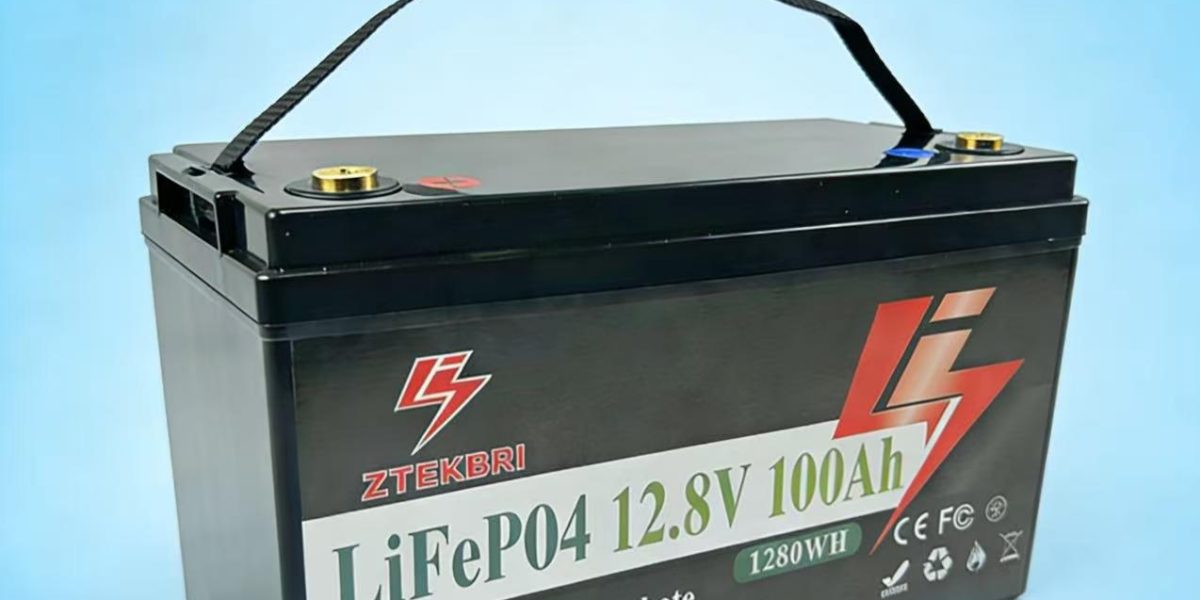
The reasons of lifepo4 battery fired
Normally Lifepo4 Battery is safe compare to other chemicals Battery . but on some special conditions . It will be fired . the situtaiton is llike as below
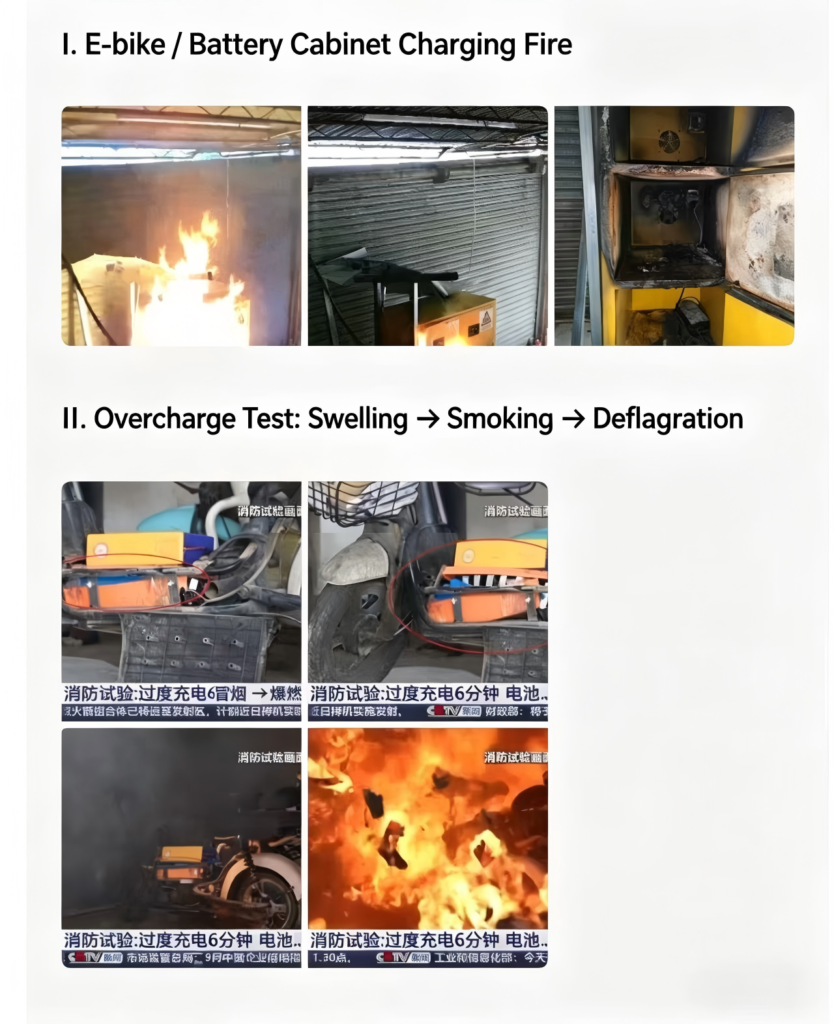
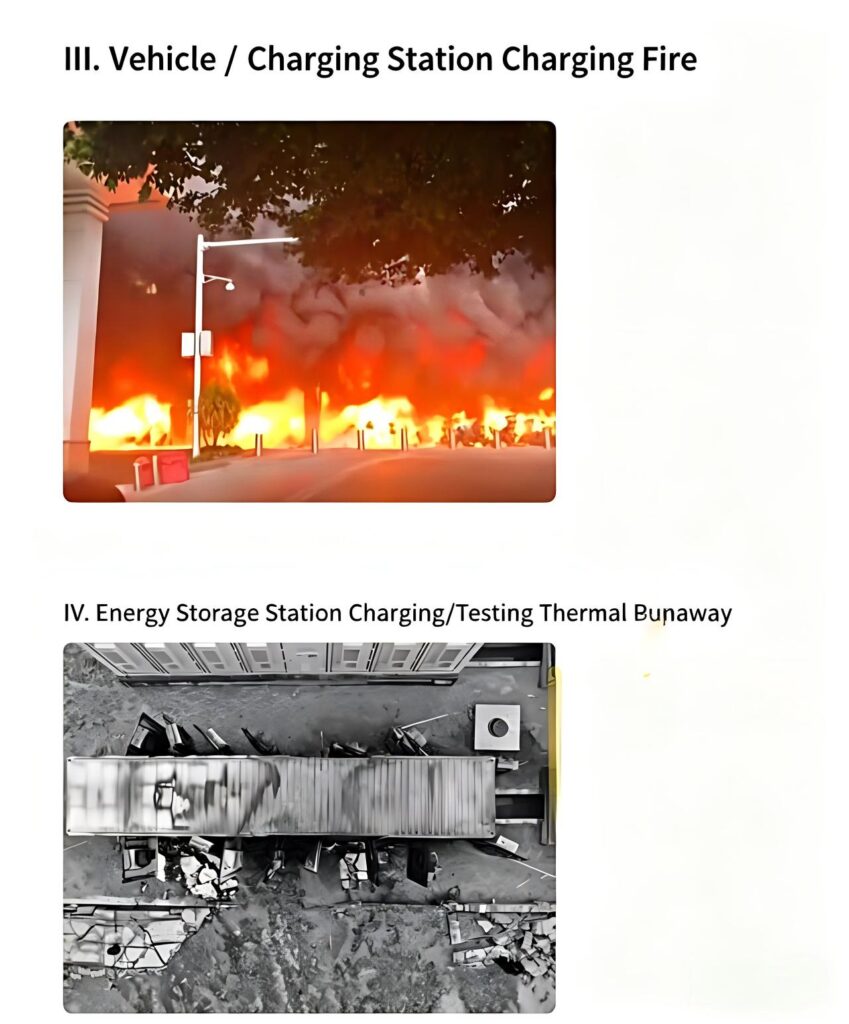
How to Safely Charge Your LiFePO₄ Battery
The core principle for safely charging a LiFePO₄ (Lithium Iron Phosphate) battery is: use a dedicated charger and strictly control voltage and temperature. LiFePO₄ batteries are inherently very safe, and charging them correctly will maximize their long lifespan.
Here are the key safety points for charging:
🔌 Must Use a Dedicated Charger
This is the most important point. Chargers for lead-acid batteries or other types of lithium-ion batteries have charging parameters (especially voltage) that are incompatible with LiFePO₄ batteries. Using the wrong charger can lead to overcharging, damage, safety hazards, or even fires.
Prefer Original/Proper Chargers: The safest option is to use the charger that came with your battery, or purchase one clearly labeled for “LiFePO₄” or “Lithium Iron Phosphate” batteries.
Never Mix Chargers: Do not take chances. Different battery chemistries have completely different requirements for charging voltage and charging profiles.
📊 Precisely Control Voltage and Current
When charging, you need to ensure the charger’s parameters are within the safe range for your battery. While you may not be able to adjust a simple charger’s internal settings, understanding these values helps you select or configure the correct charger.
Charging Method: The ideal method is Constant Current/Constant Voltage (CC/CV) . This means the charger first supplies a constant current for fast charging, then automatically switches to a constant voltage to slowly top off the battery once the peak voltage is reached.
Critical Voltage: For the most common 12V LiFePO₄ battery packs, the recommended charging voltage is typically between 14.2V and 14.6V. Never exceed 15V, as this can damage the battery.
Charging Current: A safe standard charging current is typically 0.2C. For example, for a 100Ah battery, charging at 20A is safe. You can use higher currents (e.g., 0.5C), but this will reduce the battery’s cycle life.
🌡️ Charge in a Suitable Environment
Temperature significantly affects charging efficiency and battery lifespan.
Optimal Temperature: The ideal ambient temperature for charging is between 0°C and 45°C (32°F – 113°F) . Room temperature (around 25°C / 77°F) is best.
Never Charge Below Freezing: Absolutely avoid charging a LiFePO₄ battery below 0°C (32°F) . Charging at low temperatures causes irreversible damage (lithium plating) inside the battery, which is dangerous and severely shortens battery life.
Ensure Ventilation: The battery generates some heat during charging. Ensure the area is well-ventilated, away from flammable materials, and out of direct sunlight.
📝 Daily Usage and Management Tips
Good habits will keep your battery “healthy” for longer.
Long-Term Storage: If you won’t use the battery for over a month, charge or discharge it to 40%-60% state of charge and store it in a cool, dry place. Recharge it every 2-3 months to prevent damage from self-discharge.
Timely Charging: Don’t wait until the battery is completely dead. Charge it promptly when the power is low, and avoid leaving it in a deeply discharged state for extended periods.
Periodic Calibration: LiFePO₄ batteries have a very flat voltage curve, which can sometimes cause battery gauges to be inaccurate (e.g., the charge suddenly drops from 30% to 5%). To recalibrate the gauge, perform a full charge-discharge cycle (fully charge, then fully use) every 1-2 weeks.
⚠️ Safety Warnings
Avoid Overcharging: Even with a Battery Management System (BMS) protecting the battery, it’s good practice to unplug the charger soon after the battery is full. Avoid leaving it on the charger for extremely long periods (e.g., overnight charging for days).
Monitor Temperature: Occasionally feel the battery surface while charging. If it feels distinctly hot (above 50°C / 122°F), stop charging immediately and investigate the cause.
Don’t Use the Wrong Charger: This is the most common safety hazard. To reiterate, you must use a charger specifically designed for LiFePO₄ batteries.