How to Store our Lifepo4 Battery safely and long life to use
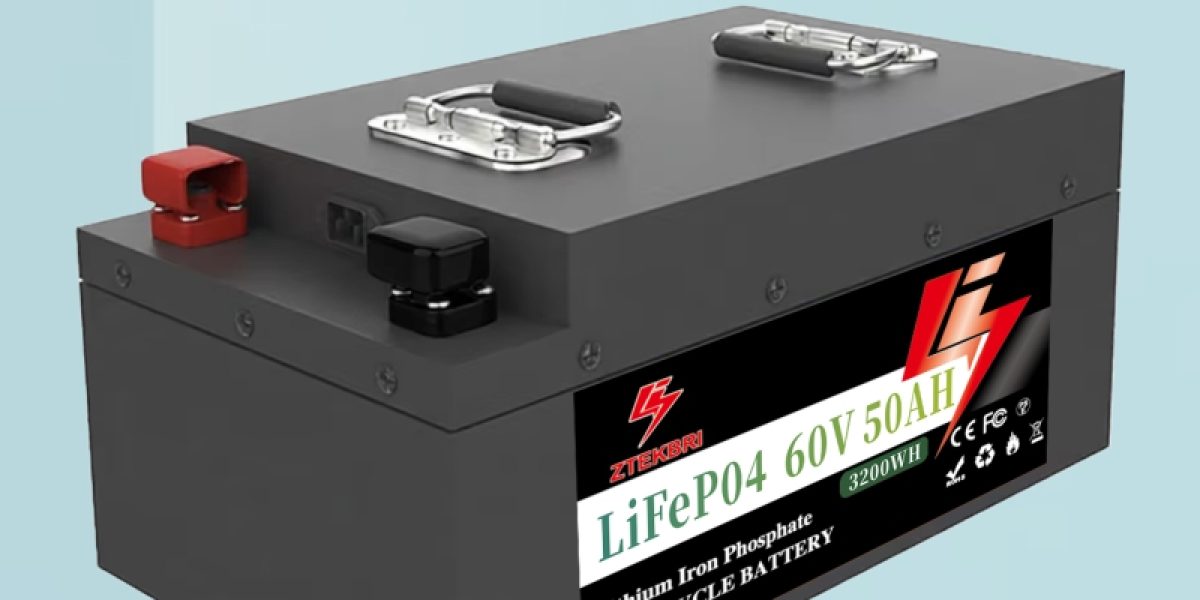
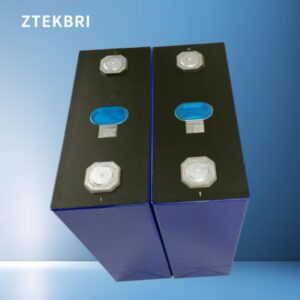
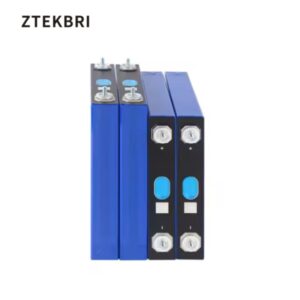
Normally we will have the Lifepo4 single cell like 3.2v 50Ah. 100Ah 280Ah 314Ah and Lifepo4 Deep Cycle Battery to be Stored. as below

Basic way
Before storage, disconnect all external loads and physically separate the positive and negative connecting wires between the battery pack and the loads to keep it in a no-load state. Control the storage charge level: for a single cell, maintain its state of charge (SOC) at 20%. Lithium batteries have very low self-discharge, so they can generally be stored this way for several years without problems.
📋 Safe Storage Guide for LiFePO₄ Batteries
1. Preparation Before Storage
Inspect and Clean: Check the battery casing for any cracks, leaks, or swelling. If the terminals are dusty or have oxidation, wipe them clean with a dry cloth.
Disconnect Everything: Remove the battery from the device and disconnect the positive and negative cables. Some devices still draw power even when turned off.
Adjust to Optimal Charge: This is the most important step. Do not store the battery fully charged or fully discharged. A 40%-60% state of charge is ideal. At this level, the battery is most “relaxed,” which helps minimize capacity loss.
2. Ideal Storage Environment
Find a Cool, Dry, Room-Temperature Location: The ideal temperature is 15°C to 25°C (59°F to 77°F) . Simply put, store it in a cabinet or drawer inside your home, away from direct sunlight.
Avoid Extreme Temperatures: Do not store it in a garage, car, or on a balcony. Summer heat and winter cold will accelerate aging.
Avoid Humidity: Ideally, keep humidity below 50%. If you live in a humid area (like the southern US or coastal regions), place a dehumidifier bag near the battery.
Keep Away from Hazards: Do not store near radiators, open flames, flammable materials (like cardboard boxes or gasoline), or metal tools that could cause a short circuit.
3. Regular Maintenance During Storage
LiFePO₄ batteries have a very low self-discharge rate, losing only about 2% per month, but you shouldn’t ignore them completely.
Check Frequency: It is recommended to check the battery every 3 months.
What to Check:
Recharge: Use a multimeter or the battery’s built-in indicator to check the charge level. If it drops below 40%, recharge it to 50%-60% before continuing storage.
Visual Inspection: Look for any abnormalities, such as swelling, leakage, or rust.
4. Important Notes for Long-Term Storage
Do NOT Store Fully Charged: At 100% charge, the battery’s internal chemistry is highly active. Storing it fully charged for long periods will accelerate aging.
Do NOT Store Fully Discharged (Dead) : If the battery is completely drained and not recharged in time, it can be “starved” and damaged, becoming unusable.
No “Trickle Charging” Needed: Unlike old lead-acid batteries, LiFePO₄ batteries do not need a constant small current to maintain them. Just keep the charge level around 50%.
💡 Reactivating After Storage
When you’re ready to use the battery again, follow these steps:
Inspect Again: Double-check that the battery casing looks fine, with no swelling or leaks.
Then Charge: Use the correct LiFePO₄-dedicated charger to charge it normally. If the battery has been stored for a very long time and has a very low voltage, you can use a low current to charge it for a while before resuming normal charging.
Use with Confidence: Once fully charged, it’s ready for normal use.
📊 Quick Reference Table: Key Storage Points
| Key Point | Recommended Practice | What to Avoid |
|---|---|---|
| State of Charge (SoC) | 40%-60% (Ideal) | 100% Full or 0% Dead |
| Ambient Temperature | 15°C ~ 25°C (Cool room temperature) | High heat (>35°C) or freezing (<0°C) |
| Ambient Humidity | < 50% (Dry) | Humid environments (>70%) |
| Storage Location | Indoor, cool, dark, well-ventilated cabinet/drawer | Garage, car, balcony, near sinks, or next to radiators |
| Regular Maintenance | Check every 3 months and recharge to 50-60% | “Set and forget” for long periods |
| Surrounding Environment | Clean, insulated, away from flammable materials | Nearby metal tools, cardboard boxes, gasoline, etc. |
❓ Frequently Asked Questions (FAQ)
Q: How long can a LiFePO₄ battery be stored?
A: Under ideal conditions (approximately 50% charge, around 25°C / 77°F), it is usually safe to store for up to one year. However, for optimal battery health, it’s best to check and recharge every 3-6 months.
Q: My battery is already fully charged, but I can’t discharge it right now. What should I do?
A: If possible, use the battery with some device (like a light bulb) to discharge it to around 60% before storage. If you can’t discharge it, don’t worry too much – an occasional full charge won’t ruin it. But you should try to use it or discharge it to a lower level as soon as possible; avoid storing it fully charged for a long time.
Q: Is it normal for the battery to get slightly warm during storage?
A: No, this is not normal. A battery in storage should be completely cool to the touch. If you find the battery is heating up for no reason, it indicates a possible internal issue like a short circuit. Immediately move it to a safe, open area and contact a professional for handling.
In short, remember the golden rule: “Half charge, cool and dry, check every three months.” Following this will help your LiFePO₄ battery last longer.