I. General Core Characteristics
High-efficiency Energy Conversion
Convert photovoltaic direct current (DC) into alternating current (AC) with a conversion efficiency of 97%–99.5%. MPPT maximum power tracking technology effectively improves power generation output.
MPPT Maximum Power Point Tracking
Real-time tracking of changes in light intensity and temperature. Inverters with multiple MPPT channels (string/micro type) perform better in resisting shading and module mismatch loss.
- Dual Grid-tied / Off-grid Mode
- Grid-tied type: Synchronize with grid frequency and phase, equipped with anti-islanding protection, allowing surplus power to feed into the grid.
- Off-grid type: Matched with energy storage batteries for independent power supply, ideal for areas without grid coverage.
Comprehensive Safety Protection
Built-in overvoltage, overcurrent, overload, leakage current and anti-islanding protection with millisecond-level response. String and micro inverters support module-level rapid shutdown.
Intelligent Monitoring & Operation Maintenance
Support data collection, remote communication, fault alarm and power generation optimization, adapting to unattended operation.
Strong Environmental Adaptability
Wide operating temperature range (-30℃~+60℃), dustproof, moisture-proof and salt spray resistant, suitable for desert, coastal and plateau areas.
Pure Sine Wave Vehicle-mounted Inverter
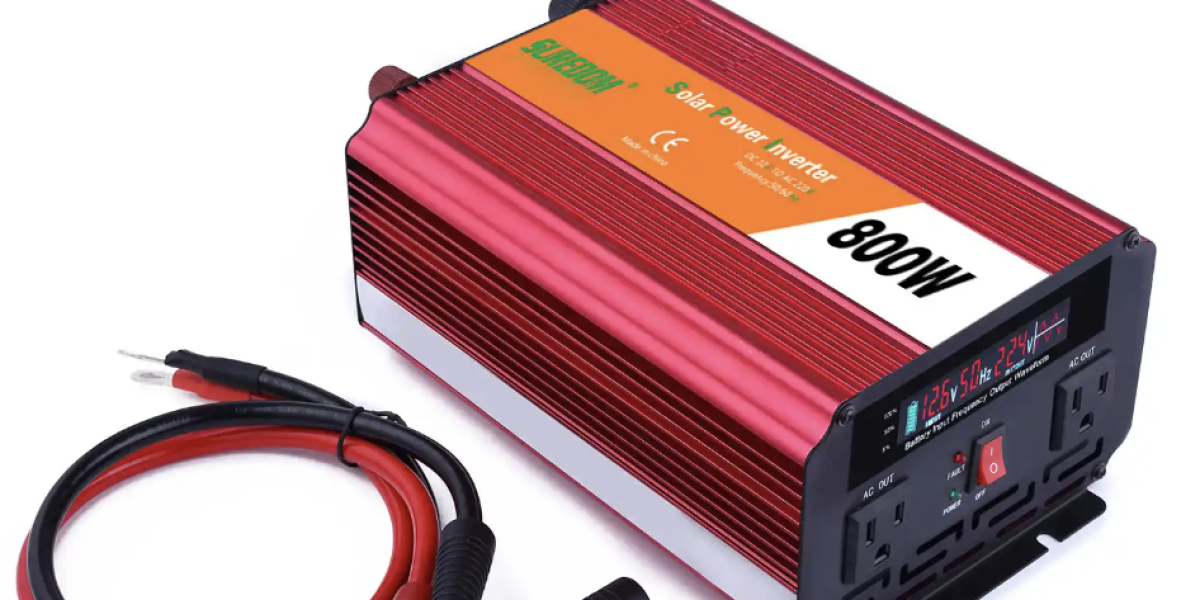
- Pure Sine Wave Vehicle-mounted Inverter: Converts DC power from 12V/24V vehicle batteries into 220V pure sine wave AC power, for powering small electrical appliances inside the vehicle or outdoors.
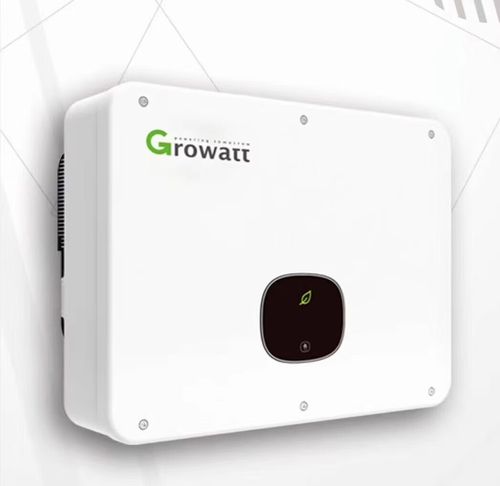
- Ordinary Solar Inverter: Converts DC power generated by solar panels into 220V AC power, for household use or grid connection. Most models adopt pure sine wave output, while a small number of low-cost ones are modified sine wave.
1) Output Waveform (Core Difference)
Pure Sine Wave Vehicle-mounted Inverter:
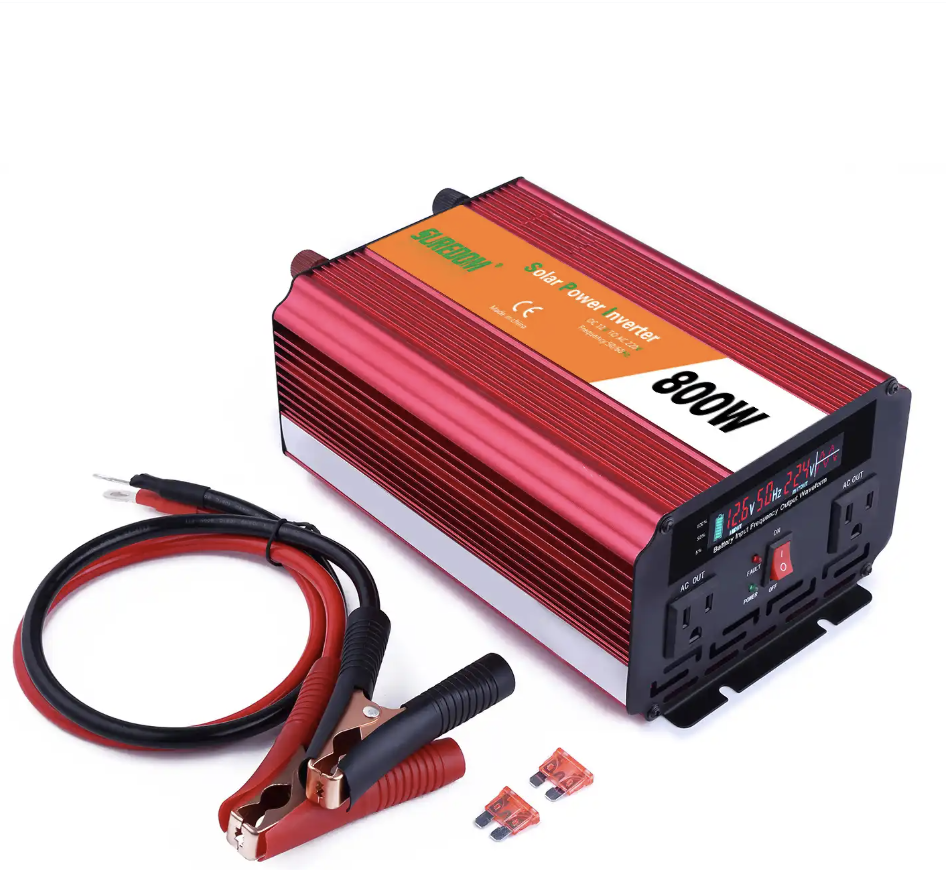
Adopts pure sine wave output, identical to household mains power, with THD<3%.
✅ Compatible with laptops, cameras, refrigerators, medical devices, audio equipment, etc. No noise, no abnormal heat generation, and no damage to electrical appliances.
- Ordinary Solar Inverter:
- High-quality models: Pure sine wave (the mainstream type for household and grid-connected use).
- Low-cost models: Modified sine wave (stepped square wave).
⚠️ Modified sine wave will cause overheating of precision equipment, buzzing noise of audio, reduced motor efficiency and shortened service life.
2) Input Voltage (Applicable Power Source)
- Pure Sine Wave Vehicle-mounted Inverter: Fixed 12V/24V DC input for vehicle batteries, with a general power range of 150–2000W.
- Solar Inverter: Connected to photovoltaic panels, with a wide voltage range (e.g. 24V–600V DC). Equipped with MPPT maximum power point tracking function to automatically track sunlight and improve power generation efficiency.
3) Functional Design
- Vehicle-mounted Inverter
- Compact and portable design for vehicle use, powered via cigarette lighter socket or battery clips.
- Multiple protection functions: low voltage, overvoltage, overload, overheating and short circuit protection.
- No MPPT function, only responsible for DC-AC inversion.
- Solar Inverter
- Outdoor waterproof design, supporting grid-tied, off-grid and hybrid modes.
- Hybrid models integrate MPPT charging, inversion, grid metering and energy storage management functions.
- Surplus power can be fed back to the public power grid for earnings.
4) Application Scenarios
Pure Sine Wave Vehicle-mounted Inverter
✅ Road trips, camping, power supply for trucks and RVs, power supply for precision equipment.
Ordinary Solar Inverter
✅ Household rooftop photovoltaic systems, small power stations, long-term off-grid power supply.
- One-sentence Summary
- Pure Sine Wave Vehicle-mounted Inverter: Converts 12V battery DC power to 220V pure sine wave AC power. It features low power and portability, suitable for vehicle-mounted and outdoor power supply for precision equipment.
- Ordinary Solar Inverter: Converts power from photovoltaic panels to 220V AC power, built with MPPT function, high power and grid-connectable. Low-cost models are modified sine wave, which is not recommended for precision equipment.