What is a lithium-ion battery? What are the types of lithium-ion batteries?
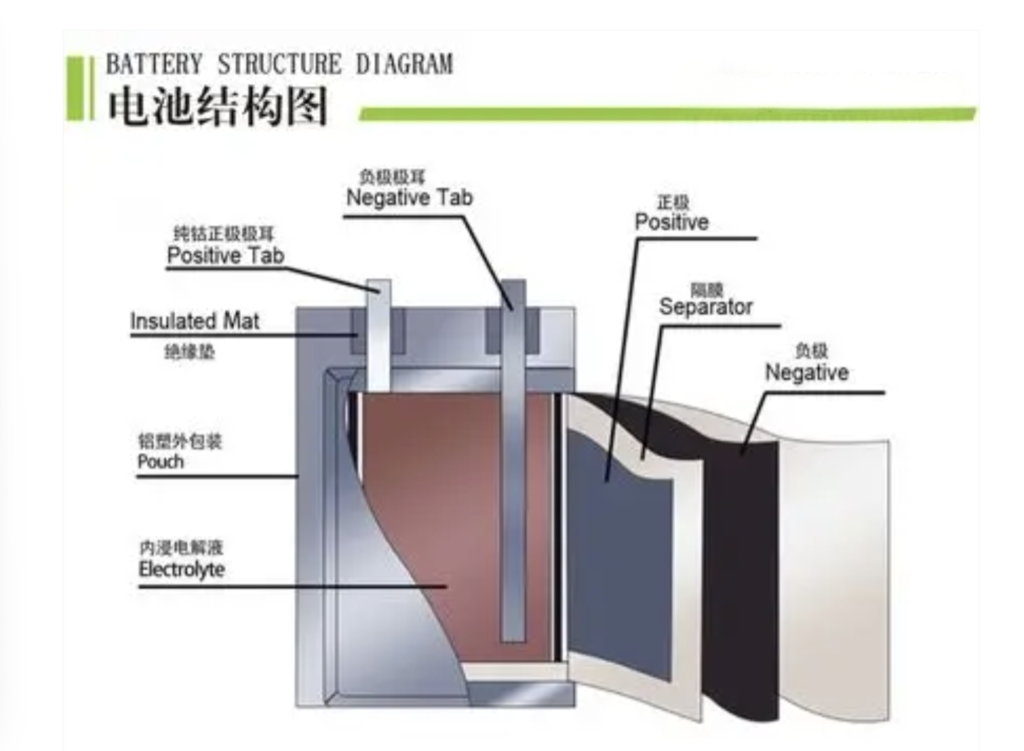
A lithium-ion battery is a type of rechargeable (secondary) battery that operates by moving lithium ions between the positive and negative electrodes during charge and discharge. Its core structure includes a positive electrode (cathode), a negative electrode (anode), a separator, an electrolyte, and a case/enclosure
- Cathode: Typically made of lithium-containing compounds such as lithium cobalt oxide (LCO) or lithium iron phosphate (LFP), which are key to battery performance.
- Anode: Often made of graphite or similar carbon materials.
- Electrolyte: Transports lithium ions between the electrodes.
- Separator: Prevents direct contact between the electrodes, avoiding internal short circuits.
for exmaple
During charge/discharge, lithium ions “shuttle” back and forth through the electrolyte between the electrodes, which is why lithium-ion batteries are often called “rocking-chair batteries“.
Below are the main classification methods and types.
🔋 By Electrolyte Type: Liquid vs. Solid
- Liquid Lithium-ion Battery (LIB): Uses liquid organic electrolyte. Most mature technology, widely used.
- Polymer Lithium-ion Battery (LIP): Uses solid polymer or gel-like electrolyte instead of liquid. Safer, more flexible in shape (thin, curved, etc.).
- Solid-state Battery: Uses completely solid electrolyte. Theoretically safer and higher energy density, considered a future technology; still under R&D or small-scale application.
🔋 By Cathode Material: The Core Classification
| Type | Key Features | Pros & Cons | Typical Applications |
|---|---|---|---|
| Lithium Iron Phosphate (LFP) | Best thermal stability, long cycle life, relatively low cost; lower energy density and moderate low‑temp performance | Pros: High safety, long life, low cost; Cons: Lower energy density, poor low‑temp performance |
Electric buses, energy storage, some passenger EVs |
| Ternary (NCM/NCA) | High energy density, supports fast charging, ideal for long range; lower safety margin | Pros: High energy density, good low‑temp performance; Cons: Lower thermal stability, higher cost |
Most long‑range EVs, high‑end power tools |
| Lithium Cobalt Oxide (LCO) | High energy density, first commercialized Li‑ion type; high cost, limited cycle life, cobalt is scarce | Pros: High energy density, good rate capability; Cons: Expensive, short lifespan, environmental concerns |
3C consumer electronics (smartphones, laptops) |
| Lithium Manganese Oxide (LMO) | Low cost, good safety; moderate energy density and cycle life | Pros: Low cost, good safety; Cons: Low energy density, fast capacity fade at high temperature |
Early EVs, power tools, some storage |
🔋 By Mechanical Form (Cell Shape)
-
Cylindrical cells: Similar to AA batteries. High standardization, mature process, good consistency; complex system integration. Used in some Tesla models and laptops.
-
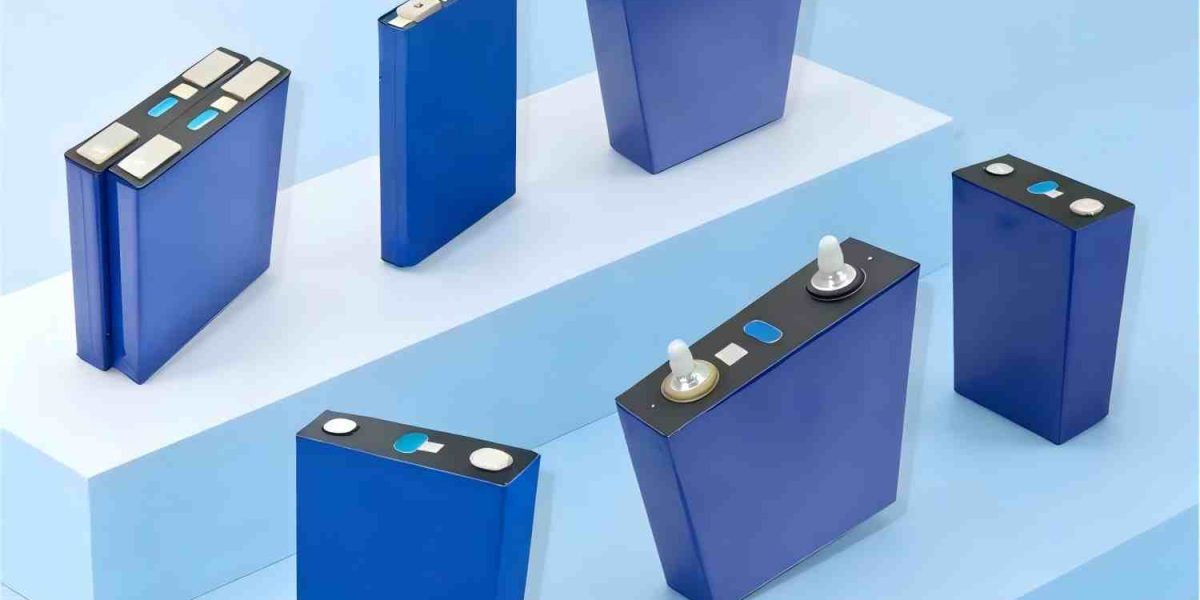
Prismatic cells: Simple structure, high space efficiency, better rate/cycle/safety performance than cylindrical. Widely used in EVs.
-
Pouch cells: Aluminium‑plastic film casing, lightweight, good safety, flexible shape; lower mechanical strength. Common in phones, tablets, and other consumer electronics.
🔋 By Application
-
Consumer batteries: For mobile phones, laptops, etc. High energy density and thin/light design are key.
-
Power batteries (EV batteries): For electric vehicles, power tools, etc. Require high energy density and high power output.
-
Energy storage batteries: For grid peak shaving, home storage, etc. Mainly demand long cycle life and high safety; energy density is less critical.