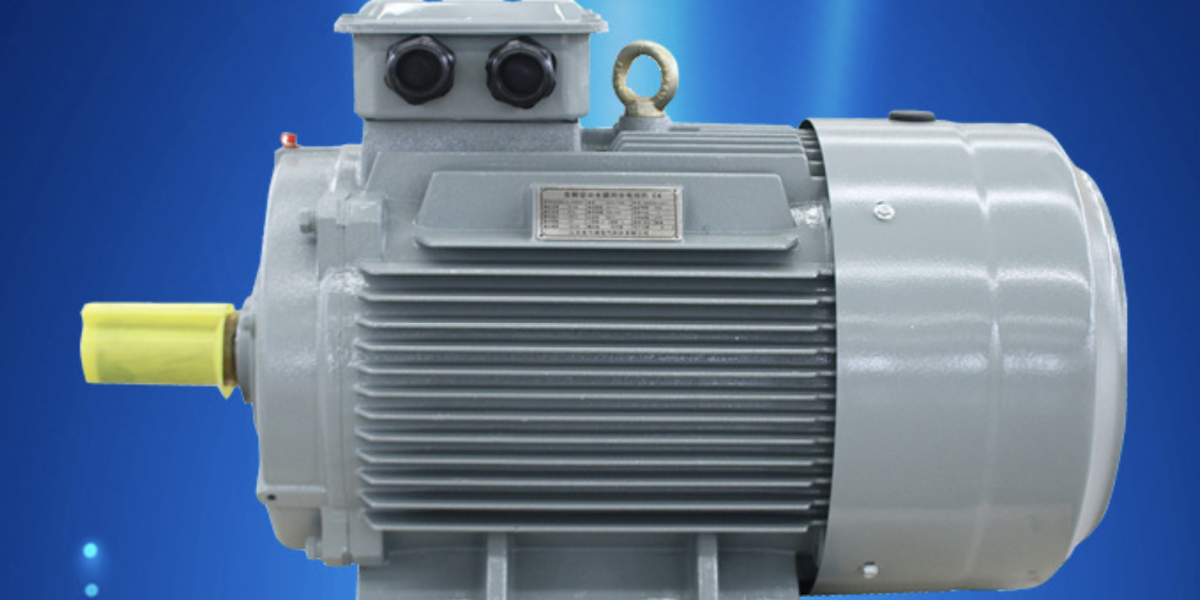
This is a real case from one of my Nigerian customer . He bought 15 pcs Electronic KEKE (Tuktuk) with acid battery .So he needs to buy lifepo4 Battery to replace these acid batteries. after I checked his E-Tricycle motor , it is just a 1.5kw. Motor and 52 A controller to support the 60v/72V battery but he asked me if i have 24pcs 100Ah lifepo4 Battery . he want to make the 72V 100Ah Battery .so finally i told him 72v 100Ah lifepo4 Battery was not good choice for his keke . .therefore i wanted to share this sample to all of my potential buyer for reference
In Conclusion as below : Small motor + large battery will mean longer driving range, weak climbing ability, slow acceleration, but the motor prone to high temperature and overload, It will easily burn out the controller , waste the battery cost, and it is serious power mismatch of the whole vehicle.
Therefore we have more typical Analyse for reference as below :
I. Core Problems Caused by Matching a Small Motor with a Large Battery
1. firstly Severe insufficient power, weak starting and climbing performance
No matter how high the battery voltage or large the capacity is, it is the motor power that determines traction and climbing capability.
A small motor cannot bear heavy loads or climb steep slopes. It starts sluggishly and lacks power when carrying goods or going uphill.
2. Secondly Motor prone to long-term overload, overheating and coil burnout
A large battery has a high maximum discharge current. Drivers tend to twist the accelerator sharply or drive uphill with heavy loads. The small motor bears current far exceeding its design load. Long-term high temperature leads to insulation aging and eventually motor burnout.
3.Thirdly Controller prone to MOS tube breakdown and burning out
Large batteries feature high voltage and high discharge current. Low-power controllers have a small inherent current limit. Forced matching with a large battery and impact of large current will break down the MOS tube and directly scrap the controller.
4. Fourthly Maximum speed cannot be increased, resulting in wasted large battery
The maximum vehicle speed is determined by motor speed, and the upper speed limit of a small motor is fixed. Even if a large 72V battery is installed, the maximum speed cannot be improved — only the cruising range is extended, causing unnecessary waste on battery cost.
5. Cruising range seems longer but efficiency decreases
When a small motor is matched with a high-voltage and large-capacity battery, it works outside the optimal efficiency range. Power consumption rises and virtual battery capacity increases, so the actual endurance is far less than the theoretical value.
6. Increased overall vehicle weight, faster wear of frame and shock absorbers
Large batteries are heavier. The small motor has to drive the heavy battery, vehicle body and cargo together, which easily causes frame deformation, It will damage shock absorbers and accelerate tire wear.
all of the above are the advantage and disadvantage . then lets begin the the sample as below in next part .
The article is too long to read . so i split it into 2 parts. hope it will be useful for us
therefore lets start in next parts. if you have any question or suggestions, Pls contact me
info@hzhim.com