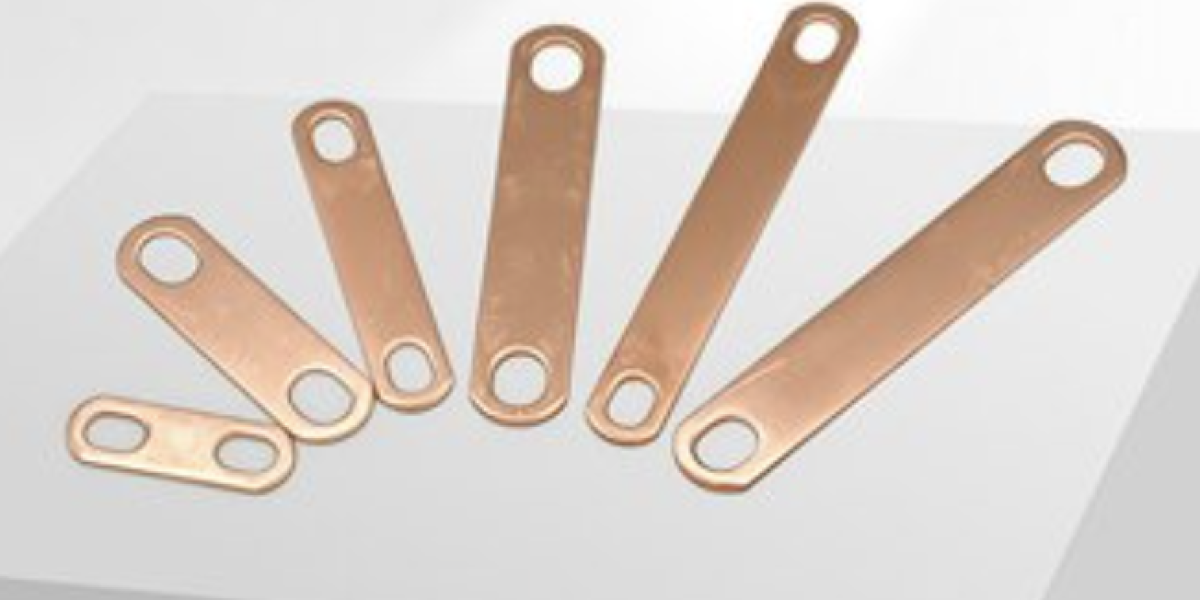
The Brief introduction As below :
This topic is from one wrong operation on Aliexrepss shop. I send the lithium ion Battery connector to customer ,but they are returned . the reason is the not exact same as the decription. when i checked it , i know .my actual connector is copper and Aluminum , but I describe it as the copper , at that time , I am fresh guy on that . so now i write this article to share . lets study them together
1 . whats the connector of lithium ion Battery
Lithium-ion battery connectors are crucial components for conducting electricity, fixing, and dissipating heat between battery cells in series and parallel connections. The key factors are material, specifications, structure, and welding/connection method.
2. Core Materials and Types (Sorted by Conductivity/Current Capacity)
2.1 firstly Pure Copper/Red Copper (Tin-plated/Nickel-plated): Best conductivity (5–10A/mm²), preferred for high current applications (electric vehicles/energy storage); prone to oxidation, requires tin-plating/nickel plating.
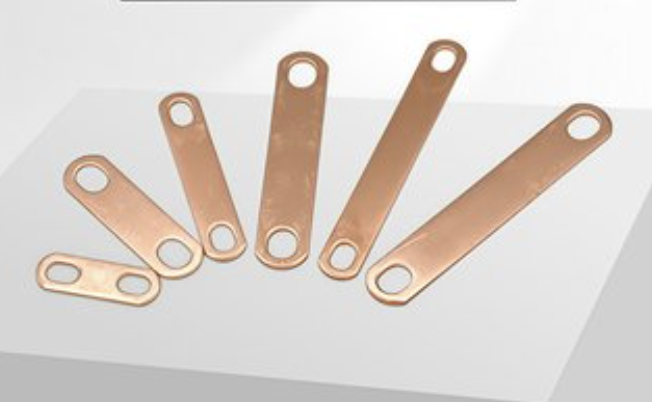
2.2 Secondly Copper-plated Nickel/Copper-nickel Composite: Copper core + nickel layer, balancing high conductivity and spot welding capability, commonly used in high-end power/energy storage applications.
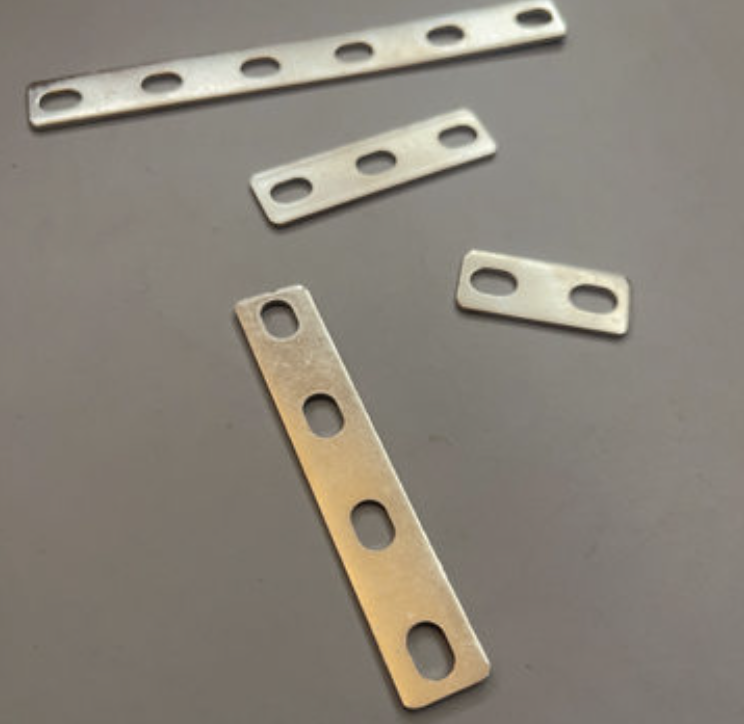
2.3 Thirdly Pure nickel strip (Ni≥99.6%): Medium conductivity (1–3A/mm²), best spot welding performance, commonly used in 18650/21700 batteries, high temperature and corrosion resistant.
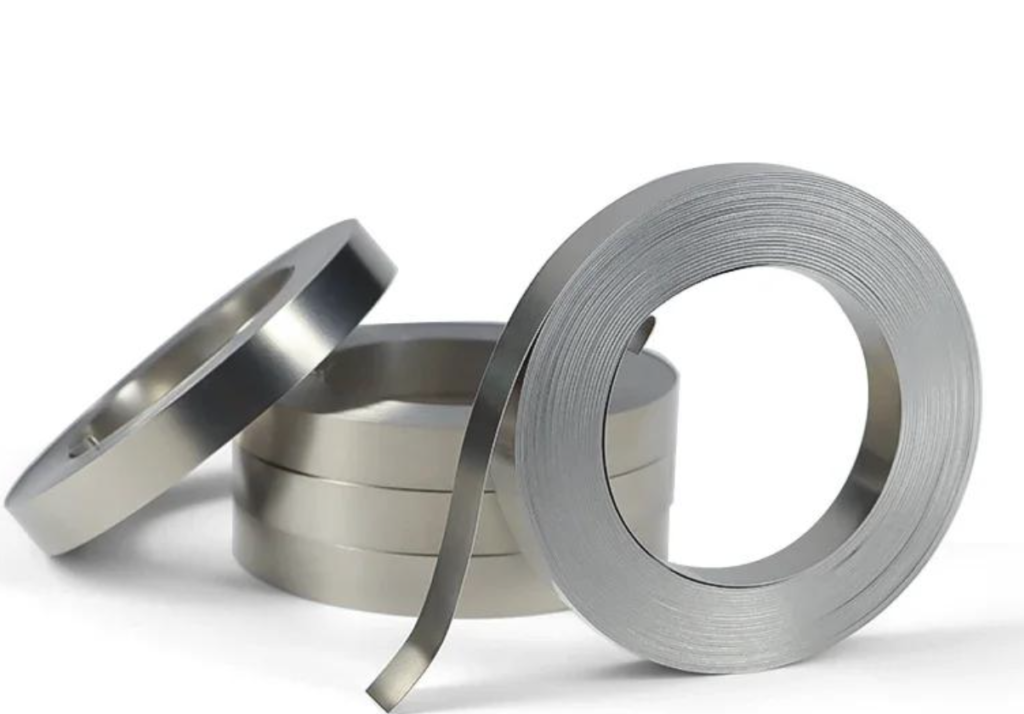
2.4 Fourthly Nickel-plated steel strip: Steel core plated with nickel, inexpensive and high strength; poor conductivity (0.5–1.5A/mm²), only suitable for low current applications/power banks.
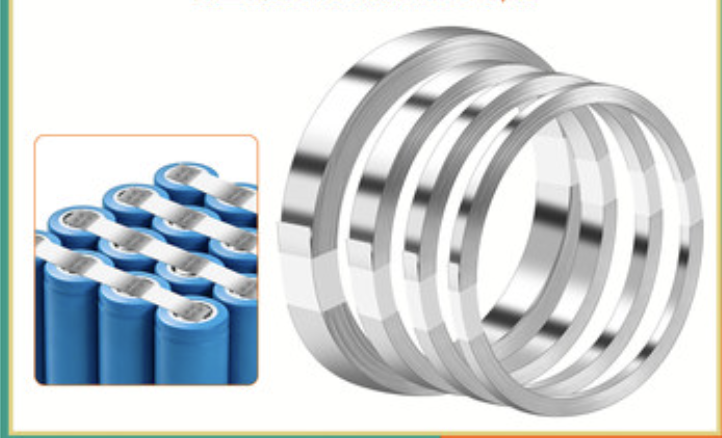
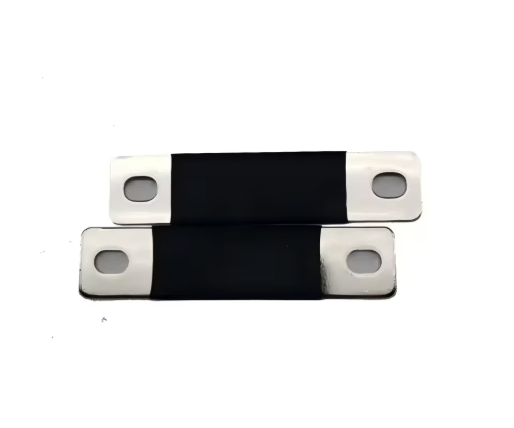
2.5. fifthly Aluminum/copper- aluminum composite: Aluminum has approximately 60% the conductivity of copper, lightweight and low cost; requires laser welding, commonly used in power battery modules.
3 . How to choose the connector
3.1 firstly Current Capacity: Low current (<10A) → Nickel-plated steel strip; Medium current (10–30A) → Pure nickel 0.15–0.2mm; High current (>30A) → Pure copper / Nickel-plated copper.
3.2. Secondly Cell Type: 18650/21700 → Nickel strip spot welding; Large single cell → Copper busbar / Aluminum busbar bolt connection.
3.3 Thirdly Connection Method: Spot welding (nickel strip, commonly used in DIY); Laser welding (copper / aluminum, industrial modules); Bolts (high current / maintainable).
3.4. Fourthly Safety Redundancy: Leave ≥30% margin to avoid overheating; High current uses U-shaped / S-shaped connecting plates to absorb vibration and expansion.
4. the Calculating way as below
5. the Application of different material connector .
Power banks / Gadgets: Nickel-plated steel strip 0.1×8mm
• Electric bicycles: Pure nickel 0.2×10mm or nickel-plated copper
• Energy storage / Electric vehicles: Tin-plated copper 1–2mm thick, or copper-aluminum composite busbar
In a word . above is the basic information for reference , it is not exactly for your usage . we mainly produce the storage energy system. so.it is different . if there is any other question .we can discuss more
info@hzhim.com