🚲 Special Considerations for E-Bike Camping
1. Firstly Vehicle Choice and Load Capacity
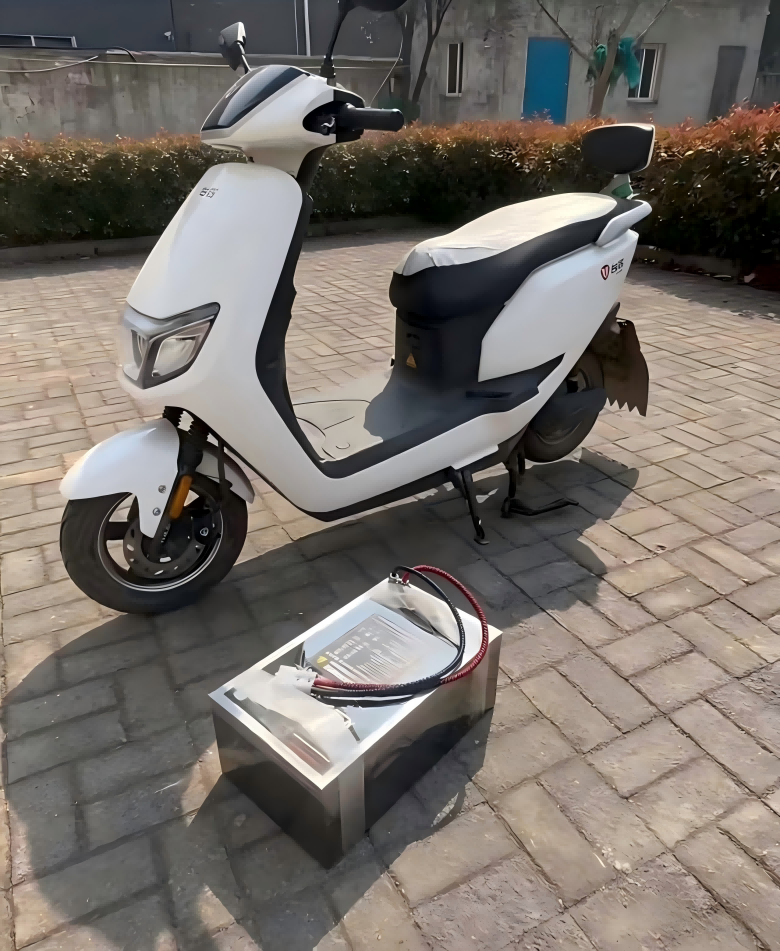
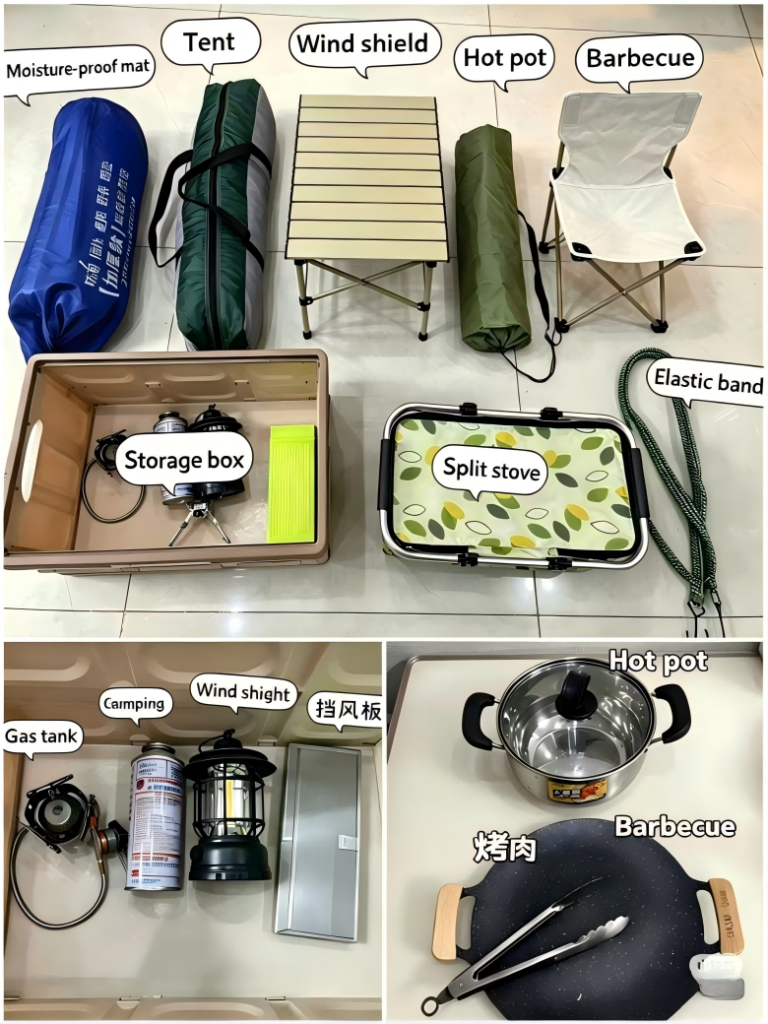
E-bikes have limited load capacity (typically 75-150 kg / 165-330 lbs). Pack light. Prioritize lightweight camping gear. For a solo trip, try to keep total load (including rider) under 30 kg / 66 lbs.
2. Secondly Route Planning
Confirm range in advance: E-bikes typically have a range of 40-80 km (25-50 miles). When planning your campsite distance, make sure you have enough charge for the round trip.
Know where to charge: Search for e-bike charging stations near your destination as a backup plan.
Avoid extreme terrain: Mud, sand, and steep hills will dramatically increase power consumption.
3. Thirdly Battery Safety
Avoid direct sunlight on the battery. Park in the shade whenever possible.
When charging, ensure the area is clear of flammable materials.
On rainy days, protect the battery connector from moisture.
Never charge a lithium battery below 0°C (32°F) . Be cautious when camping in winter.
4. Fourthly Weather and Seasons
In places with changeable weather (e.g., much of Europe), bring windproof and waterproof gear.
In summer, protect yourself from heat and sun. In winter, focus on staying warm.
Check the weather forecast before camping and avoid severe conditions.
✅ Summary as below:
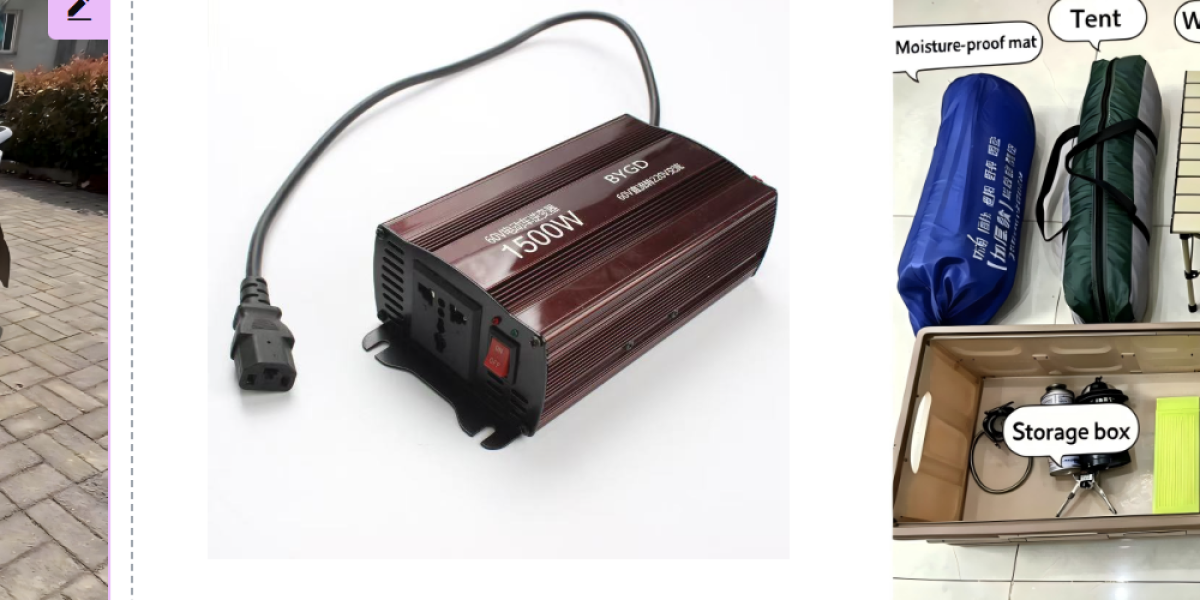
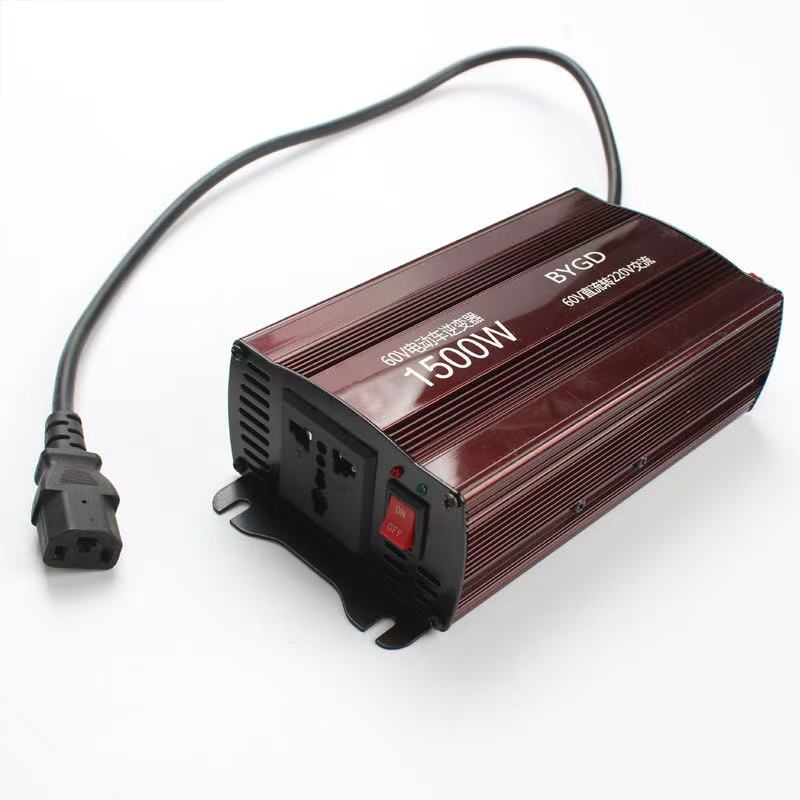
The core idea of e-bike camping is “one battery, two uses“: the battery both powers your bike to get to camp and, via an inverter, provides power for your camping life.
| Camping Duration | Recommended Approach |
|---|---|
| 1 day / no overnight | Bring just an inverter + USB module; go there and back in one day |
| 2 days / 1 night | Depart fully charged + inverter + minimalist gear. Keep camp power use under 30% of battery capacity |
| 3+ days | Fully charged + inverter + solar charging backup + scout for charging stations along the way |
The most important takeaway: Before you leave, calculate the total energy needed for the round-trip distance PLUS your camp power use. Always keep a minimum 30% charge reserve beyond your calculated needs. Safety always comes first.
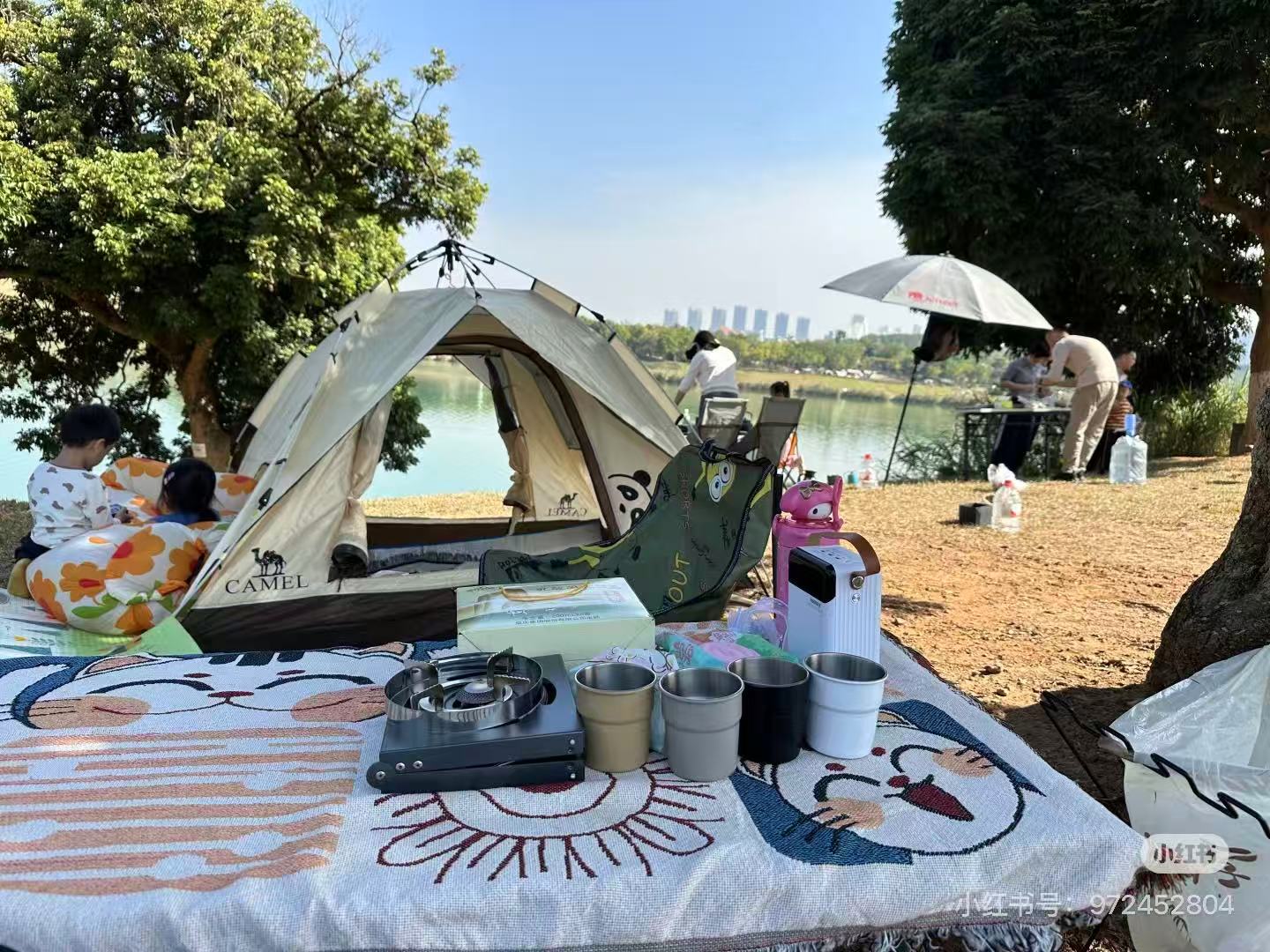
Therefore , the lifepo4 Battery of E-BIKE , we can find more applications for you .
if there is any question, Pls contact us
info@hzhim.com