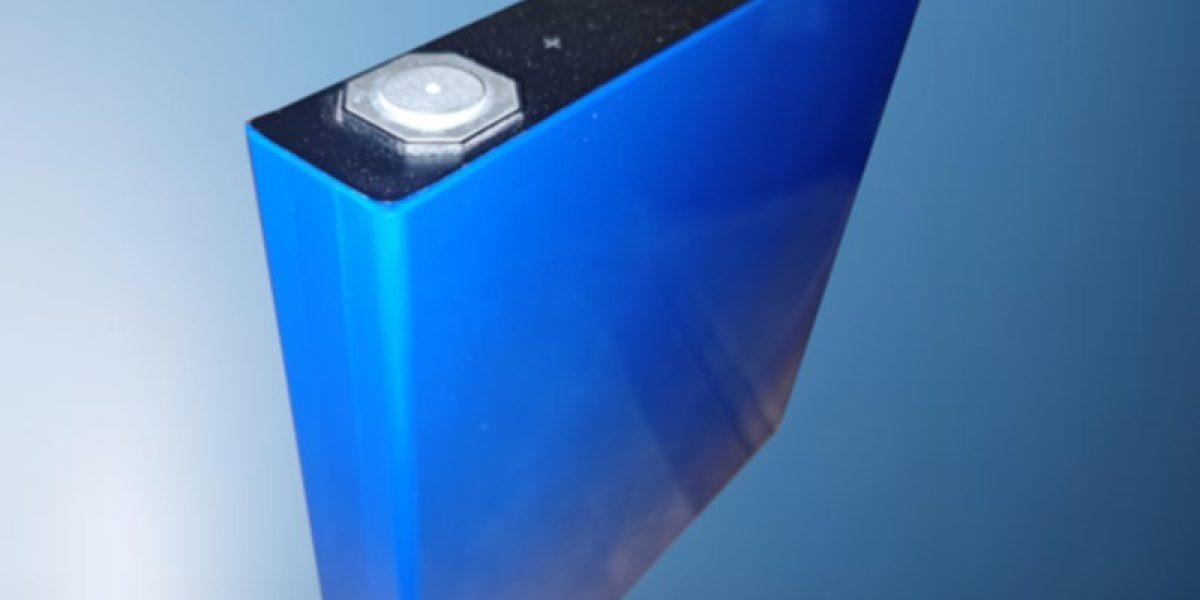
In many battery purchase inquiries I receive, I’ve found that many customers confuse the application and scenarios of different types of lithium iron phosphate batteries. For example, they might want to use batteries for making electric tricycles but purchase energy storage 280 Ah batteries or others. They are unaware that these two types of batteries actually have some differences. Sometimes they are interchangeable, and sometimes they are not. This is because they may not have a good understanding of energy storage batteries and power batteries. Therefore, I’m sharing this article.
The following are the key differences between the groups:
1. Charge/discharge rate (C-rate)
Power type : Common 1C–3C continuous charging , peak charging up to 4C–5C ; supports 15–30 minutes of fast charging .
Energy storage type : conventional 0.2C–0.5C , maximum not exceeding 1C ; slow charging and slow discharging to reduce degradation.
2- cycle life (@80% capacity)
Power type : 1500–3000 cycles ; designed for automotive use with 8 years/150,000 km, but degrades faster at high rates.
Energy storage type : 4000–8000 cycles ; power station/home storage: 10–15 years lifespan, with minimal degradation at low rates.
3. Energy density and power density
Power type : Energy density 140–200 Wh/kg ; high power density (≥1000 W/kg) , lighter volume and weight.
Energy storage type : energy density 90–130 Wh/kg ; low power density (≤500 W/kg) , insensitive to volume and weight.
4. Typical application scenarios
Power-type : New energy passenger vehicles, commercial vehicles, construction machinery, power tools, AGVs, and drones.
Energy storage types : grid peak shaving, industrial and commercial energy storage, residential photovoltaic energy storage, base station backup power, microgrids.
Summarize
Power type : High rate, high power, medium lifespan, with an emphasis on energy density , suitable for mobile and instantaneous high power scenarios.
Energy storage type : low rate of return, high stability, ultra-long lifespan, low cost , suitable for stationary and long-term stable energy storage scenarios .
These are some basic differences. I hope that through my sharing, everyone can gain a better understanding of lithium iron phosphate batteries and buy the right battery for themselves.
If you have some different opinions. Welcome to discuss with us on the commens